Monday, March 23, 2020

How to Care for Yourself While Practicing Physical Distancing

Monday, May 18, 2015

Pick a GOOD One!

You can't stop negative thoughts by wishing they would go away, pushing against them, or feeling bad about having negative thoughts. Any focus on negative thoughts gives energy to them and increases them! Your mind has to be set on positive thoughts and good thoughts because then you're giving energy to that. It's just a matter of practice and determination so that if you find negative thoughts creeping into your mind, immediately turn your focus to positive and good thoughts. And deliberately think them until you feel better! 


25 Motivational Mantras for your BEST SELF


Tips Test Takers Should Know

Tips Test Takers Should Know

·         Be Prepared– Get a good night’s rest the night before and have a good breakfast the morning of the test, have number two pencils.
·         Reframe Your Thinking– Some students don’t believe they can do well on the test.  Think positive! Encourage yourself with positive self-talk such as “I can do it” and “I am ready for the test.”
·         Stop, Look, and Listen– Be still, look at the test administrator, and listen to the directions.
·         No Fear– Many students are nervous about the unknown.  They also fear they will not go to the next grade if they don’t pass.  These tests are just a small piece of data used to determine whether or not you will go to the next grade. It is important to work hard throughout the school year because your quarterly grades are just as important.
·         Plug it In– Use each of the multiple choice answers to fill in the blank.  Some won’t make sense and will help them narrow their choices down.
·         Jail the Detail–Circle or underline the key words in a test question.  You can look for the key words in the reading passage or determine how to solve a math problem by using this tip.
·         Stash the Trash– Many times, there are sentences included in test questions that really aren’t important.  Cross out any unnecessary information.  This includes answer choices you already know don’t belong.  
·         Zap the Maps– Students sometimes don’t look closely at keys and legends on standardized tests.  You will see a chart with four triangles and say the answer is four. However, one triangle equals 3 according to a key near the chart.  This makes the answer twelve.  Pay attention to the key of a chart, graph, or map.
·         Pace Yourself–Students are given PLENTY of time to take tests.  That being said, you need to pace yourselves.  This just means not rushing through the test and also watching the time and making sure you are not going too slow as well.
·         Check it out–Check over your answers when you have completed the test if there is time left.  If you have a bubble sheet, it’s also good to check it for stray marks.


Reducing Test Taking Anxiety

Reducing Test Taking Anxiety

Test anxiety is when a student excessively worries about doing well on a test. This can become a major hindrance on test performance and cause extreme nervousness and memory lapses among other symptoms. The following are tips on reducing test taking anxiety. 

·         Being well prepared for the test is the best way to reduce test taking anxiety. 
·         Space out your studying over a few days or weeks and continually review class material.
·         Don't try to learn everything the night before. 
·         Try to maintain a positive attitude while preparing for the test and during the test. 
·         Exercising for a few days before the test will help reduce stress. 
·         Get a good night's sleep before the test. 
·         Show up to class early so you won't have to worry about being late. 
·         Chew gum (if allowed) during the test to help relieve test anxiety.
·         Stay relaxed, if you begin to get nervous take a few deep breaths slowly to relax yourself and then get back to work. 
·         Read the directions slowly and carefully. 
·         If you don't understand the directions on the test, ask the teacher to explain it to you. 
·         Skim through the test so that you have a good idea how to pace yourself. 
·         Write down important formulas, facts, definitions and/or keywords in the margin first so you won't worry about forgetting them. 
·         Do the simple questions first to help build up your confidence for the harder questions. 
·         Don't worry about how fast other people finish their test; just concentrate on your own test. 
·         If you don't know an answer to a question skip it for the time being (come back to it later if you have time), and remember that you don't have to always get every question right to do well on the test. 
·         Focus on the question at hand. Don't let your mind wander on other things. 

·         If you're still experiencing extreme test anxiety after following these tips, seek help from your school counselor.  

Dr. Anne Marie Albano's 10 Tips to Parent Your Anxious Child


Tips to parent an anxious child

Dr. Anne Marie Albano's 10 Tips to Parent Your Anxious Child

1.       Respect and validate your child’s feelings!  Anxiety is a real emotion and not pleasant.

2.       Teach your child deep, slow, belly breathing. This is an easy and very portable skill for self-soothing and calming.

3.       Listen to your child and ask “Tell me what you are thinking?”  This will help to reveal scary thoughts and scenes that build up in your child’s mind.

4.       Rather than swooping to reassure, ask your child “How likely is (that thing you’re afraid of) to happen?” You’ll be teaching him to challenge his anxious thinking.

5.       Prompt your child with “Tell me some things you can do to handle this situation” and help her to brainstorm, rather than just giving her solutions.  She’ll feel empowered.

6.       Give up the idea of “mental health days” “skip days” “sleep with mom nights” or other ways of avoiding feared situations.  This just makes the anxiety stick more firmly and lead to further avoidance.

7.       Encourage your child’s attempts to be brave, no matter how small they may seem to you.  Use labeled praise such as “I’m so proud of you for sleeping in your own bed last night!”

8.       Work with your child to outline small steps leading to a bigger goal.

9.       Create opportunities for your child to practice being brave and coping, and then high-five his/her efforts!

10.   Recognize when you are anxious and say aloud what you can do to calm down and solve the situation.  You’ll be modeling coping for your child, but be mindful and don’t overshare your anxiety!

Monday, April 13, 2015

Spring Fever Part 2

I found this excellent source of remedies for Spring Fever, especially for students.

Tips to help you spring into action:

1. Before sitting down to study or work, make sure you get some physical exercise first. Experts recommend that you try to get at least 60 minutes a day – so pull out the bike, your running shoes or a Frisbee and the dog and get a daily dose of Vitamin D from the beautiful sunshine. You’ll be able to sit still better after you’ve taken some time outside.

2. Start by making a list. Put down all the homework and other tasks you want to accomplish. Prioritize the list and make time estimates for how long each task will take. Make sure you do the top priority items first – not necessarily the items that take the least amount of time. If you have a big project – break it into smaller chunks. It will be easier to tackle this way.

3. Next, get rid of distractions! Find a quiet place to study and turn off other electronics. Turn off your cell phone and the television – and if using a computer to do homework, close applications like Facebook that can be tempting and take you away from your work.

4. Work on one project or task at a time and when you have it completed; enjoy the satisfaction of crossing it off your list!

5. Schedule short breaks every 20-30 minutes. It’s hard for anyone to stay focused for a long time. Reward yourself with a short break after completing 30 minutes of hard work. Working with a small clock and setting an alarm will help remind you it’s time to get up and stretch.

6. Finally, don’t sweat the small stuff! Do the best you can do – and if you don’t get everything done, put it at the top of the list the next day. You don’t have to do everything perfectly – but, be satisfied that you’ve done the best that you can.


http://www.thoughtlink.com/2012/03/22/remedies-for-spring-fever/


Spring Fever


It's that time of year...Spring! I love Spring Time. The weather gets warmer, it's daylight longer, and I have more energy. Plus, I know that Summer is coming soon!

Along with all of those great feelings, I also start to get a touch of Spring Fever. All I want to do is relax, read good books and have fun. I often feel tired even after I've slept all night.

Here's a few definitions I found online for Spring Fever - yes, it's real!

A feeling of invigoration and restlessness associated with the arrival of the warm weather and renewal of nature in the spring season.

A feeling of laziness or listlessness associated with the arrival of the warm, comfortable weather of the spring season.  


So, how can we cure this Spring Fever?

1. Clean/organize - Use this extra energy to clean out your closet or desk.
2. Home Improvement Project - Go to the hardware store or shop online for ideas to spruce up things around your house.
3. Take a trip - Even if it is just a day trip, get out and enjoy the beautiful weather.
4. Go outside! Get out and enjoy the sun - it's an excellent source of Vitamin D !
5. Start an Exercise Routine - walk, run, bicycle, yoga, Zumba, pilates - all excellent ways to be active
6. Be sure you are getting enough rest.
7. Diet - Eat healthy foods that boost your energy. Avoid lots of excess sugar and caffeine.


Remember that it's not your fault. Be kind and gentle with yourself. Give yourself plenty of time to adjust.


Saturday, February 28, 2015

Facebook new feature

Facebook adding Suicide Intervention

I just read this morning that Facebook is adding a new feature to help intervene in possible suicidal comments. You will be able to report to Facebook posts that you believe may put someone at risk for suicide. So many times we see negative things posted and never know what to do about it. Here's your chance to help a friend!

Saturday, January 31, 2015

Instagram - Keeping your kids safe online - part 4

Instagram

#selfie

I admit it...I love Instagram. I read this article today on Yahoo! about Instagram and teens. Just like any other social media site, the main thing is to monitor your kids for their safety. Teenagers often do not realize the impact a simple picture can have on their lives.

My favorite part of this article was this quote: "Teens think they're invincible, but they have to remember - once something is up online, it's there forever." This is so true and absolutely vital to remember. Even if it "goes away" like Snapchat claims or you delete it from your Instagram feed, it is always retrievable and it has already been seen and probably screen shot by somebody!

Read the article at:
https://www.yahoo.com/parenting/the-problem-with-teens-and-instagram-109530386647.html

Monday, January 12, 2015

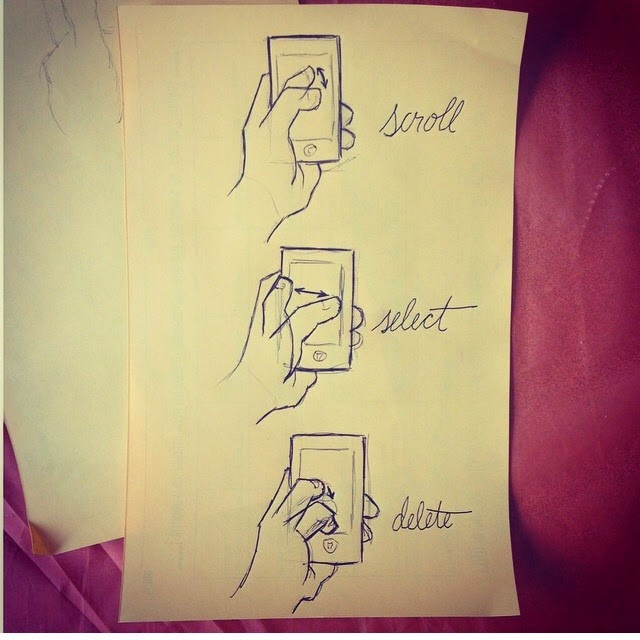
Scroll...Select...Delete


I heard the best thing this past weekend. I loved it so much, I am making it one of my new motto's: Scroll...Select...Delete. 

Friendships and relationships are important. Being kind and nice is also important. However, there are times when it is necessary to stop being in a relationship or to stop being friends. 

You have another option. It's called, scroll...select...delete. 

I would add to that the options of unfriend and block. 

We all have people in our lives who get to be too much for us to handle. That's okay. You don't have to be friends with everyone. It doesn't mean you have to be rude or mean to those people. It simply means that you should just stop hanging around them. Stop talking with them. Stop Facebook stalking them. Stop responding to their texts and messages. Delete them out of your phone. MOVE ON with your life. 

So, whether it's an ex-boyfriend, ex-girlfriend, or ex-best friend, just scroll...select...delete!


Staying Motivated

Staying Motivated - Tips and Strategies


  • Do you give up on schoolwork too easily?
  • Do you think negative thoughts about yourself and your abilities? 
  • Are you frustrated in your classes or unhappy with your grades?
  • Would you like to feel more confident about yourself and more optimistic about your future?
If you answered yes to any of the above, it's important you find ways to feel more positive about your abilities and school.

Changing the way you feel about your academic abilities or the importance of your education involves making changes in both your thinking and behavior.


HAVE A POSITIVE ATTITUDE
  • Believe in yourself - Recognize the talents and abilities you have and believe you can succeed!
  • Surround yourself with positive people - Choose people who support and encourage you!
  • Move with positive energy - Stand tall, walk with confidence and purpose and SMILE! If you act positive, you just may find that you feel more positive.

PLAN FOR SUCCESS
  • Set goals - Goals give you direction. They help you decide where you want to go and what you need to do. Have a list of both short-term and long-term goals. 
  • Focus on your strengths - Your future lies in your strengths. Identify your talents and strengths and look for ways to nurture and develop them.
  • Positive Self Talk - Replace "I'm terrible at math" with "I'm smart. I can do this." Changing how you think will change how you feel and how you act!

MOTIVATION TIPS
  • Visualize - Visualize your success! Close your eyes and imagine that you're taking a test in a difficult course. See yourself answering the questions correctly and getting the grade you want. 
  • Use motivating "self notes" - Write motivating words, ideas and/or quotes on sticky notes. Put these notes on your mirror, computer or anywhere you're likely to see them.
  • Expect to work hard - Learning should be challenging and you should expect it to be difficult at times. Just know that you can rise to the challenge!
  • Take care of your mind and body - Get plenty of sleep, eat healthy foods, get regular exercise and find healthy ways to deal with stress.
  • Turn failures into successes - When something doesn't go well, try to learn from the experience. As Henry Ford said, "Failure is the opportunity to begin again more intelligently."
DON'T GIVE UP!

These very successful people faced failure and doubt, but they refused to give up:
  • Michael Jordan was cut from the high school varsity basketball team his sophomore year.
  • Walt Disney was fired by a newspaper editor because he had "no good ideas."
  • Raised in extreme poverty, Oprah Winfrey didn't own a pair of shoes until she was six. She is now a billionaire.
  • Thomas Edison once had a teacher who told him that he was too stupid to learn anything.
  • Steven Spielberg, an Academy Award winning director, was rejected by USC's film school three times. 
  • J.K. Rowling was living on welfare before she wrote the Harry Potter Series. 
  • Winston Churchill failed the sixth grade.
"If we did all the things we are capable of doing, we would literally astonish ourselves." Thomas Edison


Information taken from: Study Tips and Strategies InfoGuide, Woodburn Press

Wednesday, December 3, 2014

Snapchat - What do parents need to know? Keeping your Kids Safe Online - part 3

Snapchat - What do parents need to know?

Snapchat is one of the newer social media sites. Snapchat is a photo and video sharing app with a twist. The picture or video you send will disappear after 1-10 seconds.  Users love the spontaneity of
that—it feels like socializing that’s digital footprint-free—but, there are ways to capture and
recover images, so no one should develop a false sense of “security” about that.   It was developed as an antidote to “traditional” social networking services, where images can stay around forever and people have to worry about self-presentation and reputations. Snapchat users feel like they don’t have to worry if they’re having a bad hair day or just want to make a silly face.

Snapchat is one of thousands of media- sharing apps that kids use and it’s not even the 6
only one with disappearing pictures (Facebook, for example, has a similar app called
Poke). New apps are popping up all the time, and parents can’t possibly be on top of all
of them. That’s why it’s important for kids to develop critical thinking skills. But know,
too, that the values and social skills you’re teaching them help them stay safe in digital
media and other aspects of their lives.

As parents, it’s important to keep the lines of communication with your
kids as open as possible and work together to figure out what’s appropriate for them, in
terms of safety, privacy, reputation and time management. It generally just works better
to talk with your kids about their favorite tools—with genuine interest, not fear—because
they’re more likely to come to you when they need help and you’re much more likely to
be kept in the loop about all the cool technology they use and you get to learn about

Additional Information:
Connect Safely - A Parents' Guide to Snapchat

Thursday, November 6, 2014

Keeping Your Kids Safe Online - part 2

Internet safety is critical. Here are some quick tips for parents when dealing with your children online: 

  • Always know what sites they are using
  • Always know their passwords for all the sites they are using
  • Stay informed about what sites are out there
  • Stay informed about what your kids are doing
  • Listen
  • Observe 
  • Respect
  • Do what you have to do - YOU are the parent. Do what you think is best for your child.


Saturday, November 1, 2014

Social Media Guide for Parents

It's not just Facebook anymore!

Keeping your Kids Safe Online - Part 1


I am going to be blogging some about Internet and Social Media safety for teens. I will be including lots of useful sites for parents to help you see what your kids are doing online! You can find information on my website at: https://sites.google.com/a/gaston.k12.nc.us/egoliverweb/parents/internet-social-media


The Information Super Highway, as the Internet was once called, can be a useful tool for everyone, but so often, it becomes a weapon when used inappropriately. 

Even though you're not out there Tweeting, Facebooking, Kiking or Instagramming, you must admit, your kids are. That is the reality of 2014. We live in an instantaneous world where Google is a verb. I admit, I say this all the time..."Let me Google it." Then I get out my iPhone and do just that.  Information is literally at the tip of my fingers.

Remember, your kids are doing the exact same thing. 

Almost all of the students at Chavis have some sort of mobile device. They are just as attached to their technology as I am - most of them more.  

With that in mind, we have to remember that it is our jobs to monitor that usage and make sure that our kids know the risks and dangers along with those amazing benefits. 

The Children's Online Privacy Protection Act limits companies from collecting personal information about kids under 13 years old. Therefore, Facebook, Instagram and Twitter all require children to be at least 13 to join. Now, we all know that there are easy ways around this and our kids are doing it whether parents know or not. 

Parents should ask their children on a regular basis - 
         Do you have a Facebook account? 
         Do your friends? 
         Do you Tweet? 
         Are you posting pix on Instagram?
         Are you SnapChatting?

If you choose to buy your child a cell phone, make the condition that she can't get a Facebook, Twitter or Instagram account until age 13 and you approve. 

It's tempting to allow an exception, but you might want to consider the message you're sending your child to allow them to break the rules by lying even if they do seem mature enough to behave safely and responsibly. 

Once your child is of age and has your permission, sit down together to set up the accounts. Use all of the privacy restrictions available and do NOT give out unnecessary information like cell phone numbers or home addresses. You should also talk with your child about not posting that personal information as well. 

Good Internet Safety includes NOT posting the following information:

  • cell phone numbers
  • home address
  • location
  • home phone number
  • inappropriate pictures
  • geotagged pictures that gives away location
Good information to tell your children:
  • never "friend" anyone they do not know
  • never share passwords with anyone but you
  • If anything happens that makes them uncomfortable, they can tell you
  • Social Rules apply online
  • Once you post something online, it never really goes away
  • Even if you delete something, it is still out there somewhere 
  • Colleges and employers check social media sites and do Google searches on applicants
Long-term consequences may not click right away with your child, but keep reinforcing it.  

Spot-check your children's accounts to see what they are up to - what is she posting? Who are her friends? Who is she following?

It might be a touchy subject, but YOU ARE THE PARENT. 

Monitoring what your kids are posting online is essential. Always have their passwords. If they change it, take away their access until they give you the new passwords. 

Some teens who know their parents are checking on them may set up an alternate account. If you don't see much activity or many friends on her page, that might be the case. Set up a Google alert with your child's name so that if anything about her hits the Internet, you know about it immediately. 

You are the best judge of your kid, but I must encourage you to not be left in the dark. Stay ahead of what your children are doing. Stay informed. Be involved. A good defense is your best option in keeping your children safe online.